
A well-built patio can transform your backyard into the most-used room in your house — a place for morning coffee, weekend barbecues, and quiet evenings outdoors. But a patio is also a significant investment, and the difference between a stunning, long-lasting outdoor space and a cracked, uneven disappointment often comes down to one decision: who you hire to build it.
Choosing the right professional isn’t just about getting the lowest quote. It’s about finding someone with the experience, licensing, and communication skills to bring your vision to life without costly surprises along the way. At Smartscaping, we’ve seen firsthand how asking the right questions upfront saves homeowners time, money, and stress. Here are the ten questions you should ask every contractor before signing a contract.
1. Are You Licensed, Bonded, and Insured?
This is non-negotiable. A legitimate contractor should hold a valid state contractor’s license, carry liability insurance, and have workers’ compensation coverage for their crew. Licensing proves the contractor has met minimum industry standards and passed relevant exams. Insurance protects you financially if a worker is injured on your property or if something goes wrong during construction.
Don’t just take a verbal “yes” — ask for documentation and verify the license number through your state’s licensing board website. This single step filters out a large percentage of unqualified or fly-by-night operators before you waste time on anything else.
2. How Long Have You Been Building Patios Specifically?
General contracting experience is valuable, but patio construction involves specialized knowledge: proper base excavation, drainage planning, material selection, and finishing techniques that differ from, say, deck building or interior remodeling. A contractor who has built dozens of patios will anticipate problems — like soil composition issues or drainage challenges — that a generalist might miss entirely.
Ask how many patios they’ve completed in the past year and whether they specialize in the material you’re considering, whether that’s pavers, natural stone, stamped concrete, or brick.
3. Can I See Examples of Your Previous Work?
A reputable contractor should have a portfolio of completed projects, ideally with photos showing different stages of construction, not just polished final shots. Better yet, ask if you can visit a completed patio in person or speak with a past client directly.
Seeing real, finished work tells you more than any sales pitch. Pay attention to the quality of joints, the levelness of surfaces, and how the patio has held up over time if the photos are from older projects.
4. Do You Have References I Can Contact?
Beyond online reviews, ask for two or three direct references from recent clients. When you call them, ask specific questions: Did the project finish on time? Were there unexpected costs? How did the contractor handle problems that came up? Would they hire this contractor again?
Genuine, positive answers to these questions are one of the strongest indicators of reliability. If a contractor hesitates to provide references, consider that a warning sign.
5. What Will the Base Preparation Involve?
This is where many budget patios fail. The foundation — not the surface material — determines whether your patio will last 20 years or crack within two winters. A qualified contractor should be able to explain, in plain language, how deep they’ll excavate, what base material they’ll use (typically compacted gravel), and how they’ll address drainage so water doesn’t pool or erode the foundation over time.
If a contractor glosses over this question or seems more focused on the decorative surface than the groundwork beneath it, that’s a red flag. Proper base preparation is where craftsmanship and experience truly matter.
6. What Materials Do You Recommend, and Why?
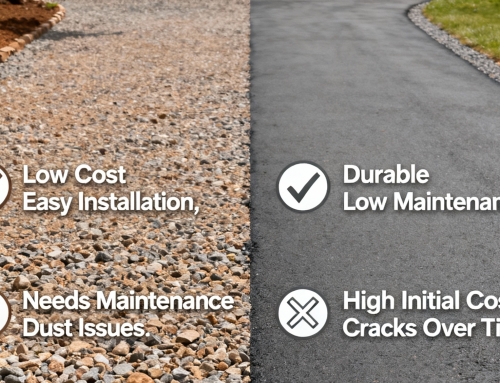
Every material — concrete pavers, natural flagstone, brick, poured concrete — comes with trade-offs in cost, durability, maintenance, and aesthetic. A good contractor won’t just sell you whatever is most profitable for them; they’ll explain how different materials perform in your specific climate and usage scenario.
For example, natural stone offers a timeless look but may require more maintenance and a higher budget, while pavers are often more affordable and easier to repair individually if one gets damaged. Ask about expected lifespan, maintenance requirements, and how each material handles freeze-thaw cycles or heavy foot traffic if those are relevant to your region.
7. What Is the Full Project Timeline?
Weather delays and material backorders happen, but a professional contractor should still be able to give you a realistic estimate of total project duration, including prep work, construction, and curing time (especially important for concrete). Ask for a written timeline with milestones, not just a vague “a few weeks.”
This also helps you plan around the disruption — patio construction often involves heavy equipment, noise, and limited yard access for the duration of the project.
8. What’s Included in the Written Estimate?
Verbal quotes mean nothing once the project starts. Insist on a detailed, written estimate that breaks down costs for materials, labor, permits, site preparation, and any additional features like lighting, seating walls, or fire pits. Ask explicitly what is NOT included, since that’s often where surprise charges appear later.
A transparent contractor will welcome this level of detail because it protects both parties and sets clear expectations from the start.
9. Who Will Be on Site, and Who Is My Point of Contact?
On larger projects, the person who sold you the job isn’t always the person managing day-to-day work. Ask whether the contractor uses subcontractors or an in-house crew, and who you should contact if you have questions or concerns during construction.
Clear communication channels prevent misunderstandings and ensure accountability if something needs to be adjusted mid-project.
10. What Does Your Warranty Cover?
Even the best-built patios can occasionally settle unevenly or develop minor issues. A trustworthy contractor stands behind their work with a written warranty covering workmanship, separate from any manufacturer warranties on materials. Ask how long the warranty lasts, what specifically it covers, and what the process looks like if you need a repair down the line.
A contractor unwilling to offer any warranty at all is one worth reconsidering.
Why These Questions Matter More Than Price Alone
It’s tempting to choose a contractor based primarily on who offers the lowest bid. But patio construction is a long-term investment in your home’s value and your family’s enjoyment of outdoor living space. Cutting corners on licensing, base preparation, or materials almost always costs more in the long run through repairs, replacements, or even safety hazards from uneven surfaces.
The questions above are designed to help you evaluate not just a contractor’s price, but their expertise, transparency, and track record — the things that actually determine whether your project will be a success.
Finding a Qualified Patio Contractor in Berkeley
If you’re searching for a reliable Patio Contractor in Berkeley, take the time to work through this list with every company you’re considering. Local experience matters too — a contractor familiar with Berkeley’s soil conditions, climate patterns, and permitting requirements will be better equipped to design a patio that performs well for years to come.
At Smartscaping, we encourage every homeowner to ask tough questions before committing to any outdoor renovation project. A little diligence upfront leads to a patio you’ll enjoy — and trust — for decades.
Final Thoughts
Hiring the right patio contractor doesn’t have to be stressful. By asking about licensing, experience, materials, timelines, and warranties upfront, you put yourself in a strong position to make an informed decision. The right contractor won’t just build you a patio — they’ll partner with you to create an outdoor space that adds lasting value and enjoyment to your home.
Take your time, ask these ten questions, and don’t be afraid to walk away from anyone who can’t answer them clearly and confidently. Your future patio — and your peace of mind — will be worth it.