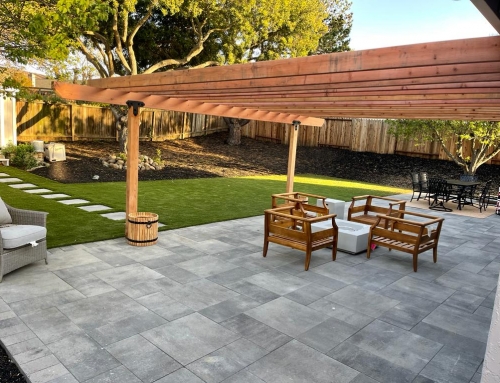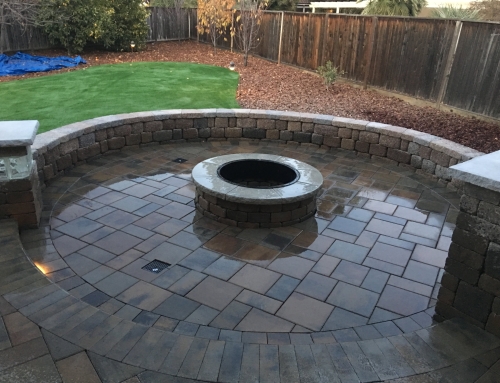


If you’ve been collecting quotes for a paver patio this year, you’ve probably noticed the numbers all over the place — one contractor says $3,000, another says $15,000, and you’re left wondering who’s actually right. The honest answer is: both of them could be, depending on your patio’s size, the paver material you choose, and where you live.
At Smartscaping, we talk to homeowners every week who are in exactly this spot. Below, we break down real 2026 pricing — by size, by material, and by region — plus the hidden cost drivers most guides skip, so you can walk into a contractor conversation knowing what a fair quote actually looks like.
The Quick Answer
In 2026, a professionally installed paver patio typically costs $12 to $30 per square foot, with most homeowners spending $3,600 to $12,000 for a mid-size patio between 200 and 400 square feet. Budget concrete pavers on a basic base can come in as low as $8 per square foot, while natural stone, flagstone, or intricate multi-level designs can push past $40 per square foot.
Here’s how that breaks down by common patio sizes:
| Patio Size | Square Footage | Estimated Cost Range |
|---|---|---|
| Small (bistro-style) | 100 sq ft | $1,200 – $3,500 |
| Medium (family patio) | 200–300 sq ft | $3,000 – $9,000 |
| Large (entertaining space) | 400–500 sq ft | $6,000 – $16,000 |
| Extra-large (multi-zone) | 600+ sq ft | $10,000 – $25,000+ |
These ranges include excavation, a compacted gravel base, the pavers themselves, edge restraints, polymeric sand, and labor. Larger patios generally cost less per square foot because fixed costs like equipment delivery and mobilization get spread across more area — but the total bill still climbs with size.
What Drives the Price: Material Choice
Material is usually the single biggest lever you control. Here’s roughly what each option costs per square foot, installed:
- Concrete pavers — $8 to $15. The most budget-friendly and widely available option, with a huge range of colors and patterns. Great for most residential patios.
- Interlocking/permeable pavers — $10 to $18. Slightly pricier due to specialized base requirements for drainage, but reduces runoff and can qualify for stormwater credits in some municipalities.
- Brick pavers — $12 to $22. Classic look, very durable, but installation is more labor-intensive since bricks are smaller and require more precise placement.
- Natural stone (flagstone, travertine, bluestone) — $18 to $40+. The premium option — no two pieces look alike, and the material itself costs more before labor is even factored in.
- Porcelain pavers — $20 to $45. Increasingly popular for modern outdoor spaces; extremely low-maintenance and stain-resistant, but requires specialized cutting tools.
A useful rule of thumb: the paver material itself is often only 20–35% of the total project cost. The rest goes into site prep, the base, and labor — which is exactly why skipping steps to save money upfront tends to backfire.
The Cost Driver Most Guides Leave Out: The Base
Here’s something a lot of cost calculators gloss over — the paver itself rarely fails. The base underneath it does.
A proper patio base means 4 inches of compacted crushed gravel (not pea gravel, which doesn’t lock together), laid in compacted lifts, topped with a leveling layer of coarse sand. Skip this, and you’ll see sinking, shifting, and heaving within a few years regardless of how expensive your pavers were.
This is also the easiest place for a low-ball quote to hide corners being cut. If a bid comes in dramatically under $8 per square foot, it’s worth asking directly: how many inches of base, and what material? A contractor who can’t answer specifically is a red flag.
Labor Costs in 2026
Labor typically runs $4 to $11 per square foot, or $50 to $80 per hour if your contractor bills hourly. A standard 300-square-foot patio generally takes a crew 3 to 5 days from excavation to finished sand-locking.
Labor rates have climbed 3–5% annually over the past couple of years, largely due to skilled-trade shortages in landscaping and hardscaping. Getting quotes from at least three licensed, insured installers remains the best way to make sure you’re paying a fair regional rate rather than a padded one.
Other Factors That Change Your Total
- Site accessibility. A backyard a crew can reach with equipment costs less to build than one requiring materials to be wheelbarrowed through a narrow side gate.
- Existing conditions. Removing an old concrete slab, a dying lawn, or drainage problems adds demolition and grading costs before the patio itself even starts.
- Design complexity. A simple square or rectangle is the cheapest shape to install. Curved edges, multiple elevations, or intricate herringbone and basketweave patterns all add labor hours.
- Add-ons. Built-in fire pits, seat walls, lighting, and outdoor kitchens are common additions that can add $1,500 to $5,000+ on top of the base patio cost.
- Region. Coastal and high-cost-of-living metro areas often run 20–40% above the national average due to higher labor and permitting costs.
Is a Paver Patio Worth the Investment?
Short answer: generally, yes. Remodeling industry data consistently shows outdoor living spaces — patios in particular — recouping roughly 50–80% of their cost at resale, and buyer surveys routinely rank usable outdoor space near the top of wish lists. Compared to elaborate additions like outdoor kitchens, a well-built, properly based paver patio tends to deliver more return per dollar spent, partly because it’s functional for nearly any buyer, not just the one who wanted a built-in grill.
Pavers also have a practical edge over poured concrete: if one paver cracks or a section settles, it can be lifted and reset individually. A concrete slab, by contrast, usually needs to be broken out and repoured, or lives with a visible patch forever.
Paver Patio vs. Poured Concrete: A Quick Comparison
| Paver Patio | Poured Concrete | |
|---|---|---|
| Upfront cost | $12–$30/sq ft | $8–$15/sq ft |
| Repairability | Individual pavers can be lifted and replaced | Full slab repair or unsightly patch |
| Design flexibility | High — colors, patterns, mixed materials | Limited without stamping/staining |
| Lifespan (properly installed) | 25–50 years | 20–30 years, prone to cracking |
| Resale appeal | Strong | Moderate |
If your budget is tight and you don’t mind a plainer look, poured concrete costs less today. If you want something that ages better and is easier to fix piecemeal, pavers usually win over the long run.
How to Get an Accurate Quote
- Measure your space first. Know your square footage before calling contractors so estimates are apples-to-apples.
- Ask about base depth and material specifically. “4 inches of compacted crushed gravel” is a good answer. Vague answers aren’t.
- Get it broken down. A reputable contractor will itemize excavation, base, materials, labor, and edging separately rather than giving one lump number.
- Compare at least three bids. Regional pricing swings are real, and this is the fastest way to spot an outlier — high or low.
- Ask about warranty. Many hardscape installers offer workmanship warranties of 1–5 years; material warranties from paver manufacturers often run much longer.
The Bottom Line
For 2026, budget $12 to $30 per square foot as your realistic planning range for a professionally installed paver patio, with most complete projects landing between $3,600 and $12,000. The exact number depends on size, material, site conditions, and your region — but now you know exactly which questions to ask to get a quote you can trust.
At Smartscaping, we help homeowners plan hardscape projects that hold up for decades, not just look good on install day. If you’re ready to get a real, itemized estimate for your space, reach out and we’ll walk you through it.
This guide reflects 2026 national pricing trends and is intended for general planning purposes. Get a local, itemized quote before finalizing your budget, as regional material and labor costs vary.