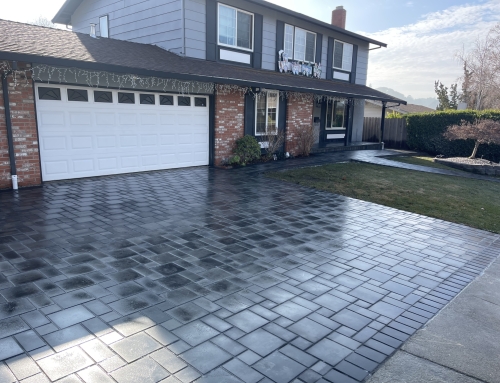

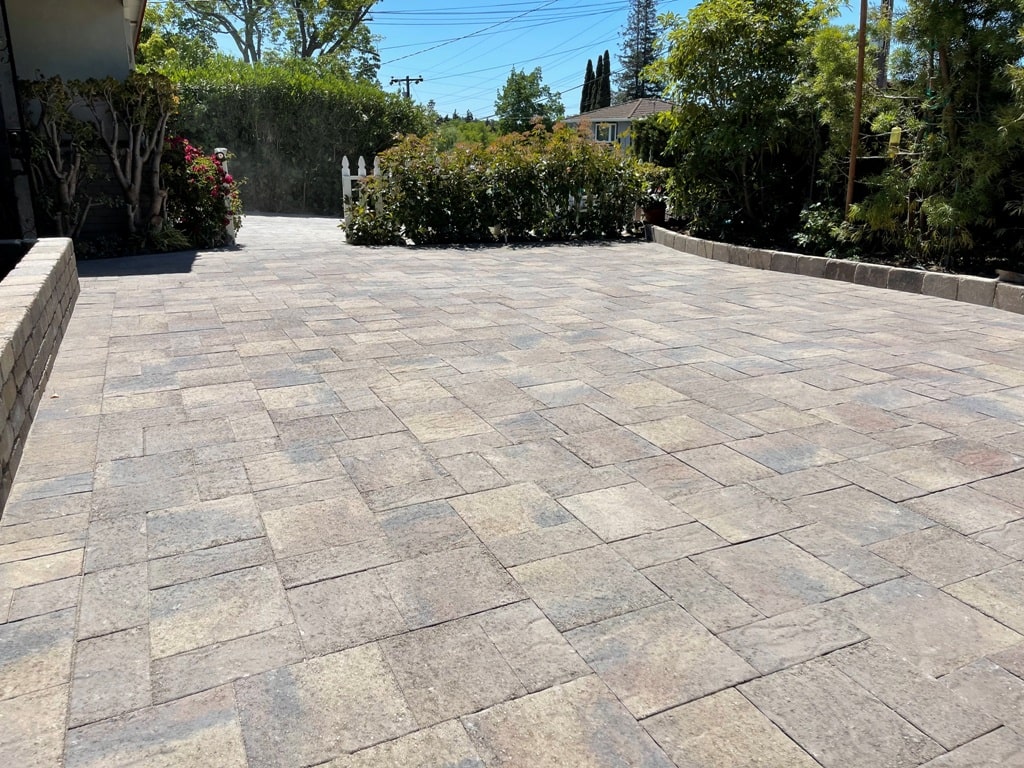
Creating a stunning outdoor space starts with the right paving material. Whether you’re planning a new patio, walkway, pool deck, or driveway, your choice will impact appearance, durability, maintenance needs, and long-term value. Among the most popular options are brick pavers and concrete, and homeowners often compare the two—especially when it comes to cost.
Budget plays a major role in every landscaping project, and understanding how pricing works can help you avoid unexpected expenses. Many homeowners assume concrete is always cheaper, but the real answer depends on labor, design, preparation work, and long-term performance.
In this expanded guide, we’ll break down the true cost differences between brick pavers and concrete, explain what affects the price, and help you decide which option fits your outdoor project best.
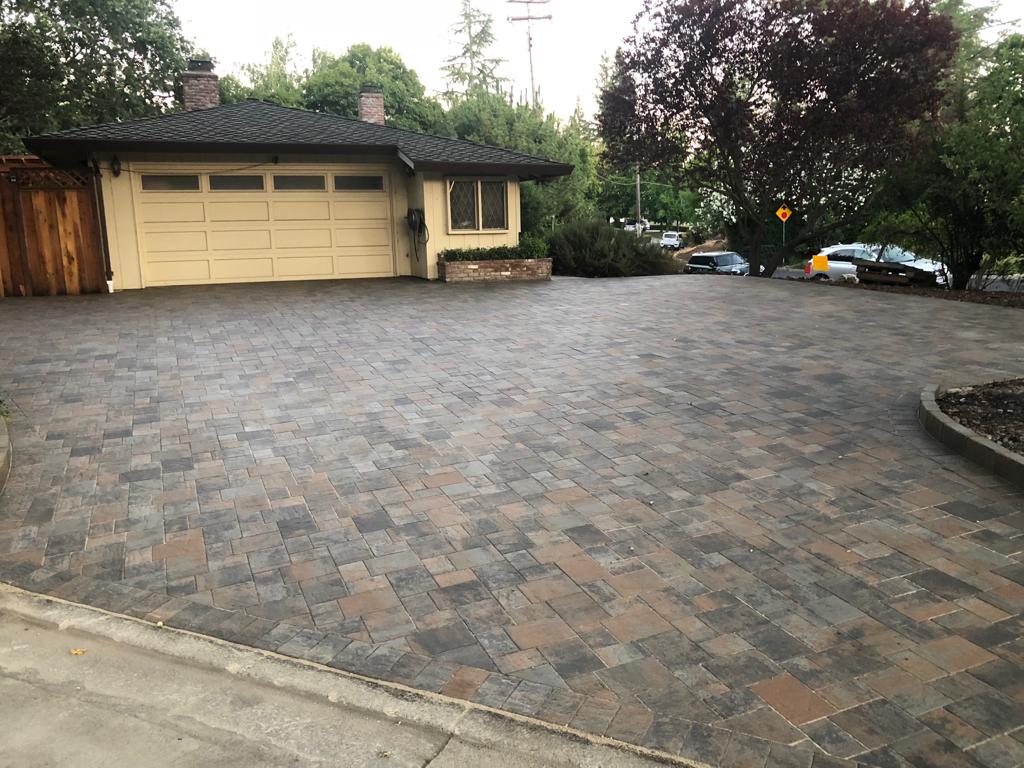
Brick Pavers vs. Concrete: Which is Cheaper?
Brick pavers and concrete are both durable and widely used, but they serve different priorities. Before comparing costs, it’s important to understand how each material is made and installed.
Brick Pavers
Brick pavers are typically made from clay, concrete, or a blend of aggregates. They are kiln-fired or molded into individual units and come in various shapes, colors, and patterns. Each paver is laid separately, which offers design flexibility but increases installation time.
Benefits include:
-
Excellent durability
-
Highly customizable
-
Easy to repair (replace only the damaged paver)
-
Strong aesthetic appeal
Concrete
Concrete is a mixture of cement, water, sand, and gravel. It’s poured as a single slab, making it faster and less labor-intensive to install. Concrete can be plain, colored, stamped, or textured.
Benefits include:
-
Lower upfront cost
-
Quick installation
-
Smooth and uniform finish
-
Can be customized with stamping
Understanding these differences helps explain why pricing varies—and why long-term value isn’t always tied to the lowest initial price.
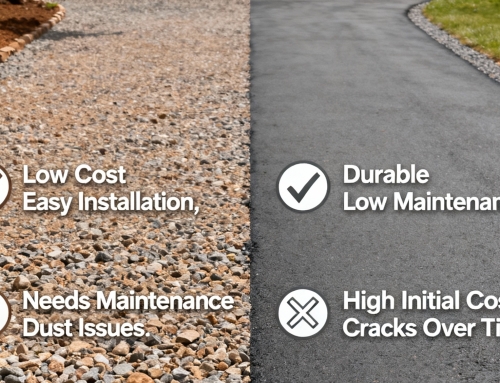
When comparing upfront installation costs, concrete is usually the cheaper option. Concrete production is efficient, and installing a single slab requires less labor than laying hundreds of individual pavers.
Here’s why concrete tends to cost less initially:
-
Mass Production
Concrete can be produced in large batches, reducing cost per square foot. -
Quicker Installation
A single pour takes less time than setting individual pavers. -
Lower Material Cost
The raw materials used for basic concrete slabs are inexpensive.
Brick pavers, however, require:
-
More labor
-
More time
-
Individual placement
-
Additional materials such as edging and joint sand
This makes brick pavers more expensive upfront. However, they often outperform concrete in longevity and maintenance, which can lead to lower lifetime costs.
So, if your priority is the lowest immediate cost, concrete wins. But if you want long-term durability and style, pavers may give you better value.
How Much Do Pavers Cost?
Paver prices vary widely because of differences in material, size, thickness, color, brand, and installation method. On average, pavers cost between $1 and $22 per square foot, depending on the type:
1. Concrete Pavers – Most Affordable
-
Cost: $1–$10 per sq. ft.
-
Pros: budget-friendly, durable, versatile
-
Cons: can fade over time
2. Brick (Clay) Pavers – Mid-Range
-
Cost: $5–$15 per sq. ft.
-
Pros: timeless look, fade-resistant
-
Cons: more expensive than concrete
3. Natural Stone Pavers – Most Expensive
-
Cost: $7–$22+ per sq. ft.
-
Pros: premium look, excellent durability
-
Cons: highest price
Beyond material cost, here are factors that influence pricing:
-
Excavation and site prep
-
Pattern complexity
-
Border and edging design
-
Location and accessibility
-
Labor rates in your region
Because pavers come in many styles, your final cost may be much different than the average.
How Much Does a 12×12 Paver Patio Cost?
Calculating the cost of a 12×12 paver patio (144 sq. ft.) depends on material choice and installation details.
Material Cost Estimate
Assuming concrete pavers priced at $4–$22 per sq. ft., your patio cost ranges from:
-
Low end: 144 × $4 = $576
-
High end: 144 × $22 = $3,168
But material cost is only part of the total. Additional expenses include:
1. Excavation & Base Prep
A strong patio requires a stable base. Homeowners often underestimate this cost.
Work includes:
-
Removing old soil or materials
-
Grading and leveling
-
Adding gravel base layers
-
Compacting
This can add $500–$2,000 depending on soil conditions.
2. Labor Costs
Laying pavers is meticulous work. Labor may cost:
-
$8–$20 per sq. ft. for basic installs
-
More for custom patterns such as herringbone or circular designs
3. Edging and Joint Sand
Edging keeps pavers from shifting. Polymeric sand locks everything in place.
Expect $150–$500 for these materials.
4. Optional Add-Ons
-
Decorative borders
-
Drainage solutions
-
Sealant
These features improve lifespan but increase cost.
Final Price Range
A typical 12×12 paver patio often costs $2,000 to $8,000+, depending on design and materials.
How Much Does It Cost to Pave Your Driveway?
Driveway paving costs vary due to the size of the driveway and the material chosen. Here’s a breakdown:
Concrete Driveway Cost
Average: $3–$14 per sq. ft.
Pricing depends on:
-
Thickness
-
Reinforcement (rebar, wire mesh)
-
Stamping or coloring
-
Site accessibility
A basic plain concrete driveway is the most affordable, while decorative concrete can be much more expensive.
Brick Paver Driveway Cost
Average: $3–$22 per sq. ft.
Paver driveways cost more due to:
-
More labor
-
More materials
-
Custom patterns
-
Per-piece installation
However, paver driveways offer:
-
Better drainage
-
Higher durability
-
Easy repairs
-
Superior curb appeal
Other Costs to Consider
-
Site Preparation
Removing old concrete or asphalt can add $1,000–$3,000. -
Sub-base Installation
A strong base is essential to prevent sinking and cracking. -
Drainage
Proper drainage ensures your driveway lasts longer. -
Permits
Some cities require driveway permits, costing $50–$300.
Because driveways are large projects, these extras can significantly impact total cost.
Conclusion:
Deciding whether brick pavers are cheaper than concrete requires looking beyond just the upfront installation cost. Concrete is usually more affordable at first, making it a popular option for homeowners with tight budgets or large projects.
However, brick pavers offer several long-term advantages:
-
Better durability
-
Easier repairs
-
Superior aesthetic value
-
Improved resale appeal
-
Resistance to cracking
While pavers may cost more initially, they often provide a better return over time.
When choosing the best material, consider the following:
No single material fits every project, which is why professional guidance helps you make the right investment.
At SmartScaping, our experts help you compare materials, estimate real costs, and plan a custom outdoor space that matches your budget and vision. Whether you choose brick pavers or concrete, we ensure every project is built to last and enhance the beauty of your home.
Remember—cost is only one part of the decision. Choose a material that delivers the perfect balance of style, strength, and long-term value.