
If you’re planning to upgrade your backyard in the San Francisco Bay Area, chances are you’ve already faced one of the biggest outdoor-living decisions:
Should you build an outdoor fireplace… or a fire pit?
Both are beautiful. Both bring family and friends together. And both dramatically increase the value and aesthetics of your outdoor space. But the right choice depends on how you entertain, your space constraints, local fire-safety rules, and even the micro-climate of your Bay Area neighborhood.
In this guide, you’ll learn exactly how to choose between a fireplace and a fire pit, with a breakdown of:
✔ Cost differences
✔ Space requirements
✔ Wood vs. gas
✔ Safety & California fire codes
✔ HOA considerations
✔ Design trends in the Bay Area
✔ Best setups for small, medium, and large backyards
By the end, you’ll know exactly which one fits your lifestyle — and how to build it the right way.
1. Outdoor Fireplace vs Fire Pit: A Quick Summary
If you want the TL;DR version:
✅ Choose an Outdoor Fireplace if you want:
-
A focal architectural feature
-
Wind protection
-
A more contained, smoke-controlled burn
-
A luxury, high-end outdoor living room feel
-
A great spot for intimate seating
✅ Choose a Fire Pit if you want:
-
A more social, 360-degree gathering spot
-
A natural, campfire vibe
-
Lower cost
-
More flexibility in location and size
-
Larger groups around the fire
Now let’s break each option down.
2. What Is an Outdoor Fireplace?
An outdoor fireplace is essentially a backyard version of an indoor fireplace — but built using outdoor-grade materials and designed to withstand Bay Area weather (fog, rain, morning moisture, and salty air along coastal regions).
Key Features:
-
Has a firebox, chimney, and smoke vent
-
Creates a warm “outdoor living room” feel
-
Often built into a full outdoor kitchen or sitting area
-
Can be gas-powered or wood-burning
-
Can incorporate stone, brick, stucco, concrete, or tile
Why Bay Area Homeowners Love It
-
Ideal for neighborhoods with strong winds (like Daly City, Pacifica, Richmond, Benicia)
-
Adds a luxury aesthetic that boosts property value
-
Creates a cozy, semi-enclosed environment
3. What Is a Fire Pit?
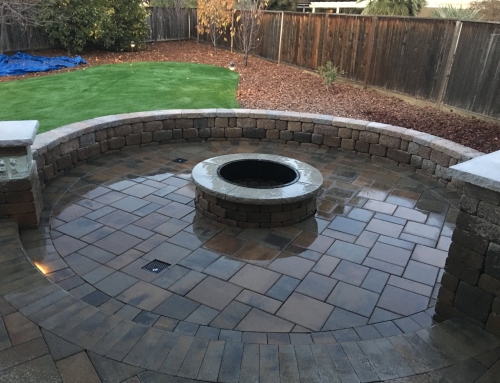
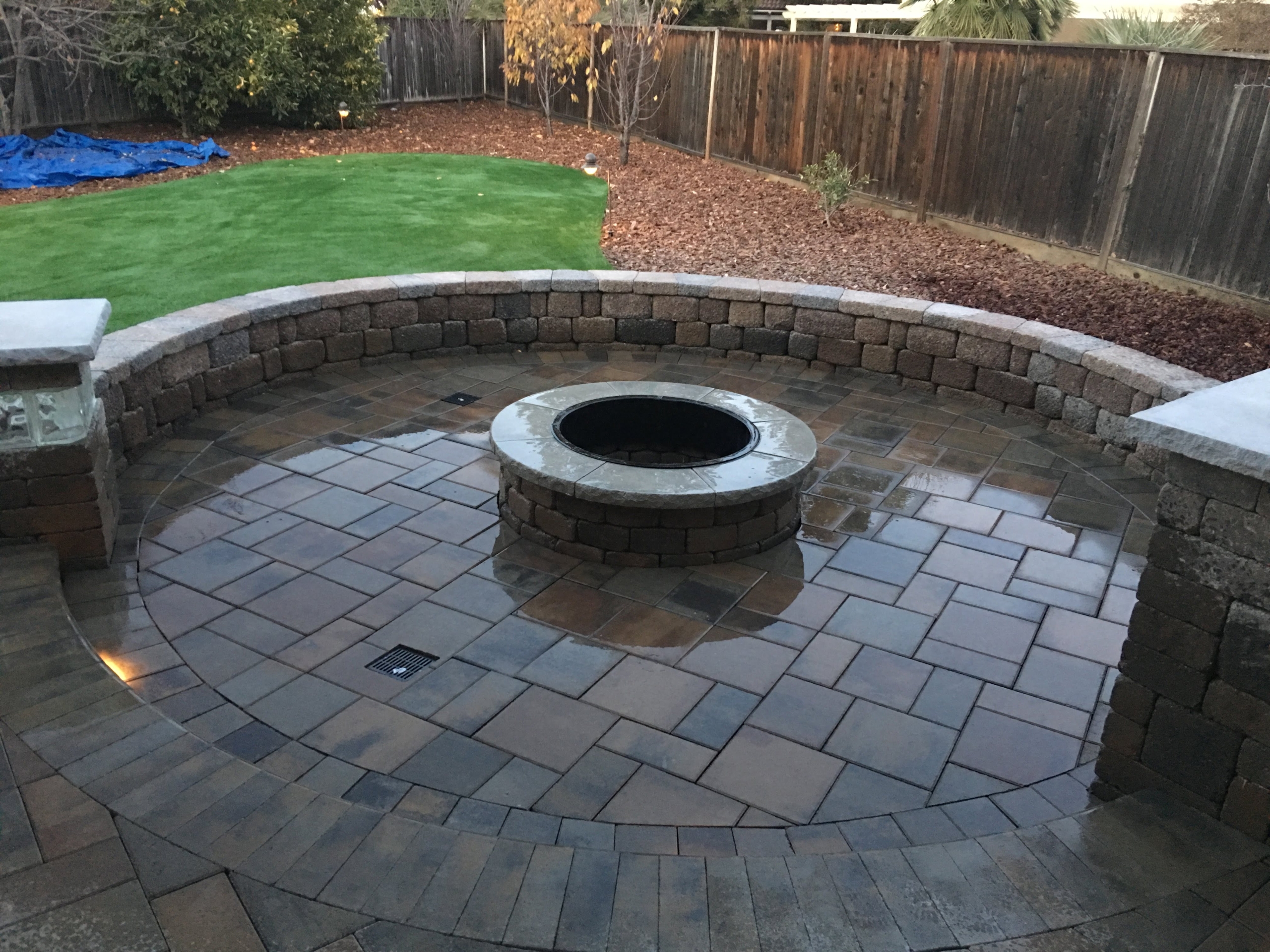
A fire pit is a ground-level or raised circular, square, or rectangular pit that allows open flame.
Key Features:
-
360-degree seating
-
More informal and social
-
Can be built in concrete, pavers, stone, brick, or metal
-
Can be gas, propane, or wood-burning
-
Can be modern (linear gas fire pit) or traditional (stone circle)
Why Bay Area Homeowners Love It
-
Affordable and flexible
-
Great for larger gatherings
-
Works perfectly with pergolas, patios, and open-concept yards
-
Creates the “campfire” experience without leaving home
4. Cost Breakdown (Bay Area Pricing)
Costs vary based on material, gas line installation, design complexity, and permits.
🔥 Outdoor Fireplace Cost (Bay Area Average)
-
Basic (Prefab): $5,500 – $9,500
-
Mid-Range Custom Build: $12,000 – $22,000
-
Luxury Fully Custom Design: $25,000 – $45,000+
Factors increasing price:
-
Gas line trenching
-
Masonry work
-
Custom stone veneer
-
Built-in seating
-
Attached patio cover or pergola
🔥 Fire Pit Cost (Bay Area Average)
-
Portable Propane Unit: $300 – $900
-
Basic Built-In Gas/Wood Pit: $2,500 – $5,500
-
High-End Custom Fire Pit: $7,500 – $15,000
Fire pits remain significantly more cost-friendly — but fireplaces offer more architectural value.
5. Space Requirements: Which One Fits Your Backyard?
Outdoor Fireplace — Best For:
-
Medium to large yards
-
Yards that naturally allow a focal point
-
Narrow or windy spaces
-
Homes where privacy is valued
-
Creating a “wall” to divide outdoor zones
Minimum recommended space:
12–15 feet width for proper seating and safety
Fire Pit — Best For:
-
Small, medium, and large yards
-
Open-concept backyards
-
Homes built for social gatherings
-
Flexible seating arrangements
Minimum recommended space:
10–12 feet diameter for the pit + seating
Small Backyard in San Francisco?
Go with a small gas fire pit — compact and safe for tight lots.
Large Backyard in Danville, Walnut Creek, or Livermore?
A grand outdoor fireplace becomes the perfect anchor point.
6. Fuel Options: Gas vs Wood (Which is Better?)
Fireplaces and fire pits both offer gas or wood options, but your lifestyle decides the winner.
🔥 Gas (Natural Gas or Propane)
Pros
-
Instant on/off
-
No smoke
-
Cleaner burn (California-friendly)
-
HOA-approved almost everywhere
-
Safe in high-density neighborhoods
Cons
-
Higher upfront cost
-
Requires gas line installation
Gas is perfect for most Bay Area homes because of local wildfire regulations and air-quality rules.
🔥 Wood-Burning
Pros
-
Traditional crackling sound
-
Strong flame presence
-
Authentic campfire feel
Cons
-
Some Bay Area cities restrict wood burning
-
More smoke + ash
-
Requires more safety clearance
-
Not always HOA-approved
Bay Area wildfire zones (like parts of Marin, Sonoma, and East Bay hills) often limit wood-burning installations.
If unsure, choose gas — it’s the universal problem-solver.
7. Safety & California Regulations for Fire Features
Before building, you should know local restrictions:
1. EPA & Bay Area Air Quality Management District (BAAQMD)
Wood-burning restrictions apply on spare-the-air days.
2. Fire-Safe Clearance Requirements
Minimum 10 feet of clearance from combustible structures.
3. HOA Rules
Many Bay Area homeowners associations require:
-
Gas-only fire features
-
Certain chimney heights
-
Specific stone or stucco colors
4. Permit Requirements
You may need permits for:
-
Gas line installation
-
Large masonry structures
-
Electrical lighting integration
Fire pits require fewer permits than fireplaces.
8. Design Trends for Fire Pits & Fireplaces in 2025–2026 (Bay Area Edition)
Outdoor Fireplace Trends
-
Smooth stucco with modern linear openings
-
Stone veneer with warm LED uplighting
-
Dual-sided fireplace (patio + outdoor dining area)
-
Fireplace integrated with outdoor TV wall
-
Built-in pizza oven + fireplace combo
Fire Pit Trends
-
Linear gas fire pits with black lava rock
-
Low-height modern concrete bowls
-
Sunken seating areas (“conversation pits”)
-
Fire pit + water feature combos
-
Smart fire pits with app-controlled ignition
If your home leans modern, choose linear fire features.
If you prefer rustic, go with stone or brick.
9. How You Entertain — The Most Important Factor
Your lifestyle determines the right choice more than anything else.
You should choose a Fireplace if you…
-
Prefer intimate nights with your spouse or a few friends
-
Want to create a cozy “outdoor living room”
-
Love having a visual focal point
-
Enjoy reading, sipping wine, relaxing by a warm wall
-
Want an elegant, luxury aesthetic
You should choose a Fire Pit if you…
-
Host big barbecues or parties
-
Want everyone facing each other
-
Prefer a relaxed, campfire vibe
-
Love roasting marshmallows
-
Want something budget-friendly
10. Best Choice Based on Backyard Size
Small Urban Backyards (San Francisco, Oakland, Fremont)
Winner: Fire Pit
Reason: Saves space, flexible placement, HOA-friendly.
Medium Suburban Yards (San Jose, Concord, Hayward, Vallejo)
Winner: Depends on lifestyle
-
Entertainer? Fire pit
-
Relaxer? Fireplace
Large Luxury Properties (Lafayette, Danville, Almaden Valley, Los Gatos)
Winner: Outdoor Fireplace
Reason: Architectural value + adds premium aesthetics.
11. Maintenance Comparison
Fireplace Maintenance
-
Clean firebox monthly (wood versions)
-
Gas components need annual inspection
-
Stone/stucco sealing every 3–5 years
Fire Pit Maintenance
-
Remove ash (if wood)
-
Keep burner ports clean (if gas)
-
Reseal concrete or stone every few years
Overall, fire pits → lower maintenance.
12. So Which One Should You Choose?
Final Decision Guide**
Choose an Outdoor Fireplace if you want:
-
A centerpiece
-
Wind protection
-
A luxury outdoor living room
-
Great aesthetics + home value
-
A quieter, more intimate vibe
Choose a Fire Pit if you want:
-
Larger gatherings
-
360-degree seating
-
More affordability
-
A campfire feeling
-
Flexibility in design and placement
13. How SmartScaping Builds Outdoor Fire Features (Our Process)
When you choose SmartScaping, here’s how your project flows:
Step 1 — On-Site Consultation
We evaluate:
-
Yard size
-
Wind patterns
-
Safety clearances
-
Existing patio or hardscape
-
Gas line access
Step 2 — 3D Design Rendering
We design:
-
Fireplace or fire pit structure
-
Seating layout
-
Lighting integration
-
Material selection
-
HOA-friendly plans
Step 3 — Full Masonry Construction
We use:
-
Outdoor-rated stone
-
High-temp fire brick
-
Reinforced concrete footing
-
Stainless steel gas components
Step 4 — Safety Inspection
Every project is built to California standards.
Step 5 — Final Touches
We add:
-
Seating walls
-
Pavers or patio extension
-
LED lighting
-
Modern fire glass or lava rock